South America | Ecuador | Santiago Island

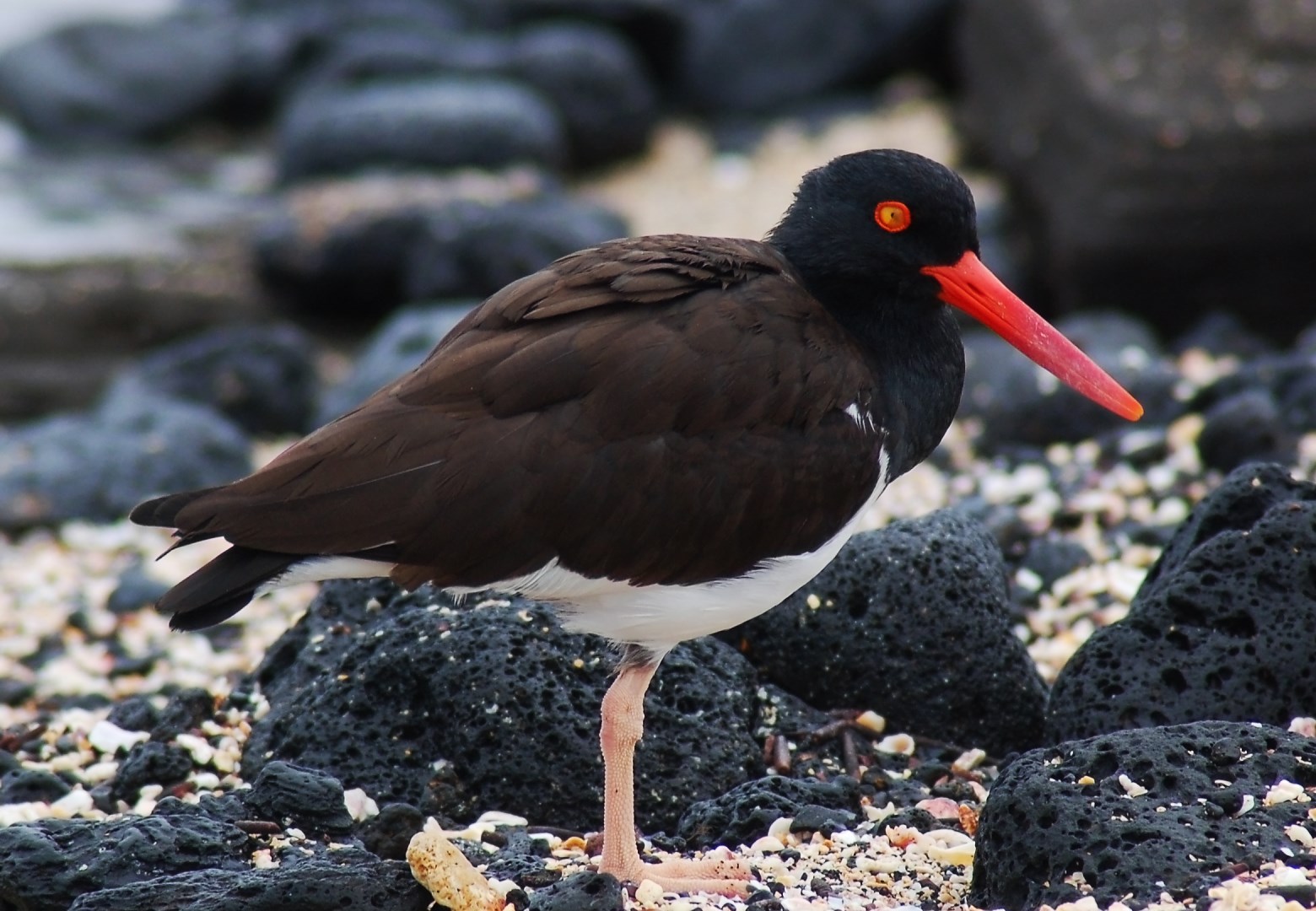
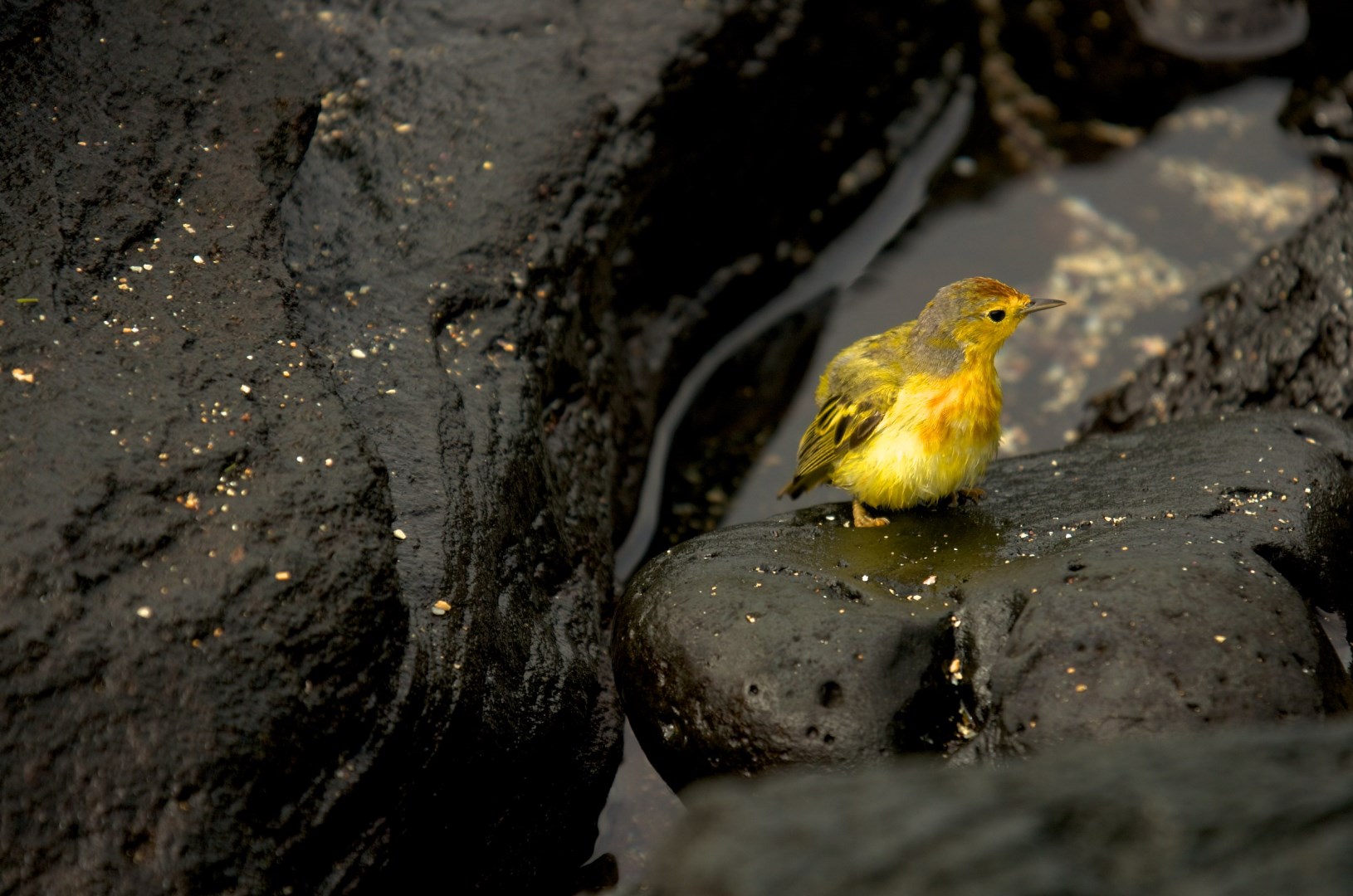
Santiago Island, also known as San Salvador Island, is one of the central islands in Ecuador’s Galápagos archipelago. The island is known for its varied volcanic landscapes, black lava formations, coastal cliffs, beaches, and important wildlife habitats. Unlike the more populated islands of the Galápagos, Santiago has no permanent residents and is visited mainly through guided expeditions and scientific tourism. Its position between several major islands makes it an important ecological zone where marine and terrestrial species move through interconnected habitats shaped by volcanic activity and ocean currents.
The history of Santiago Island is closely tied to exploration, fishing, and conservation efforts in the Galápagos. Over time, sailors, whalers, and temporary settlers used parts of the island as stopping points because of freshwater sources and protected bays. Introduced animals such as goats and pigs once damaged native ecosystems, leading to large-scale restoration projects carried out by conservation organizations and the Galápagos National Park. Today, Santiago is considered an important example of ecological recovery within the archipelago. Scientific monitoring and controlled tourism continue to play a major role in protecting the island’s wildlife and fragile environment.
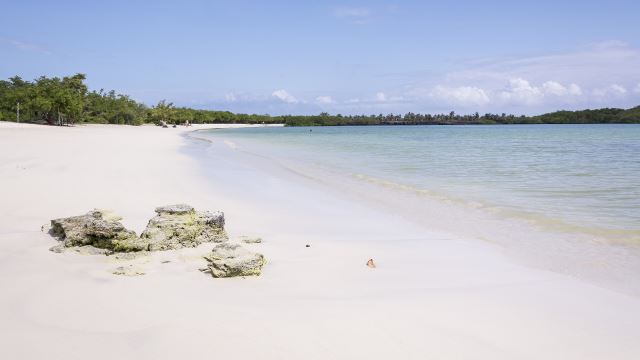
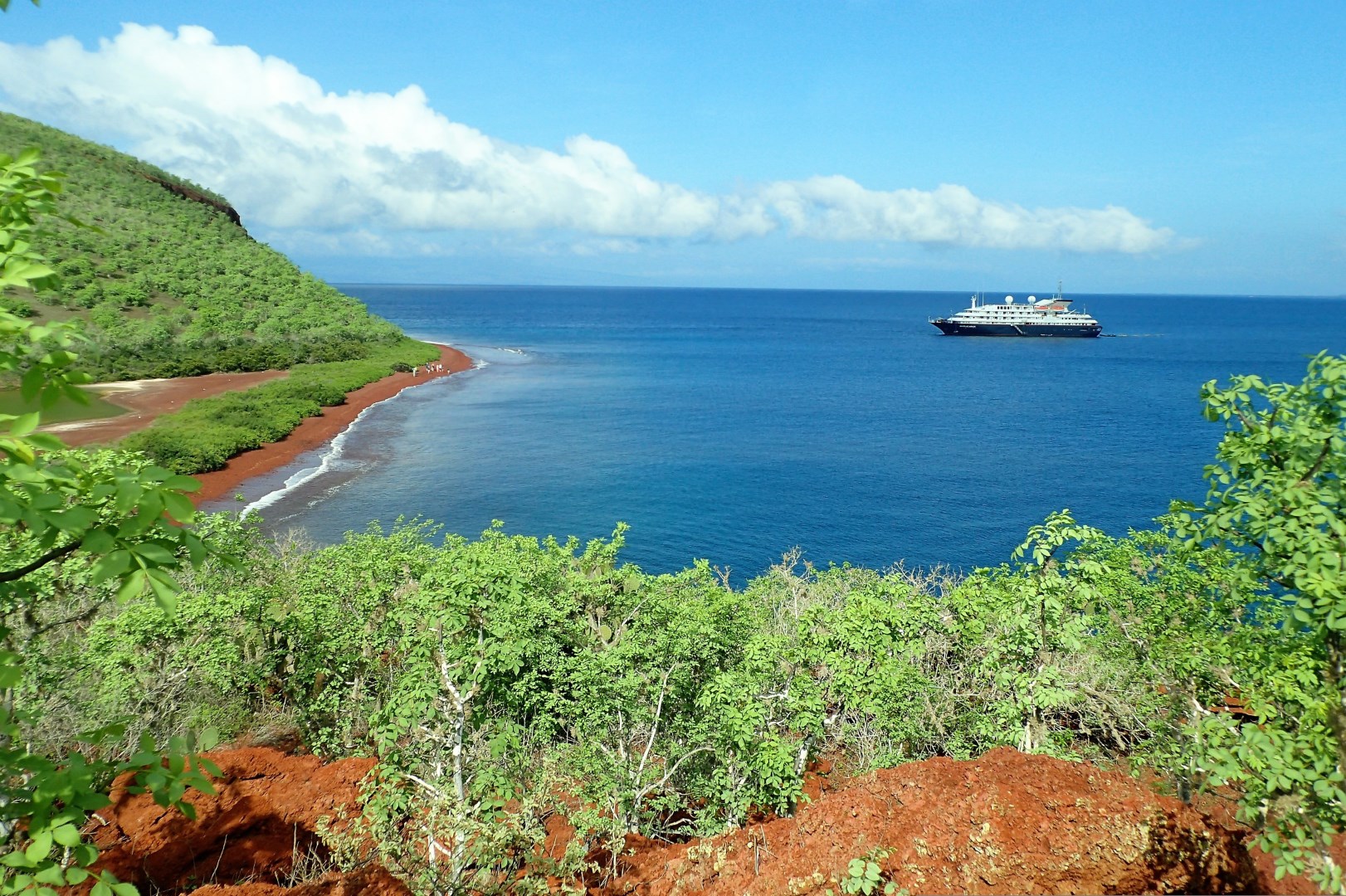
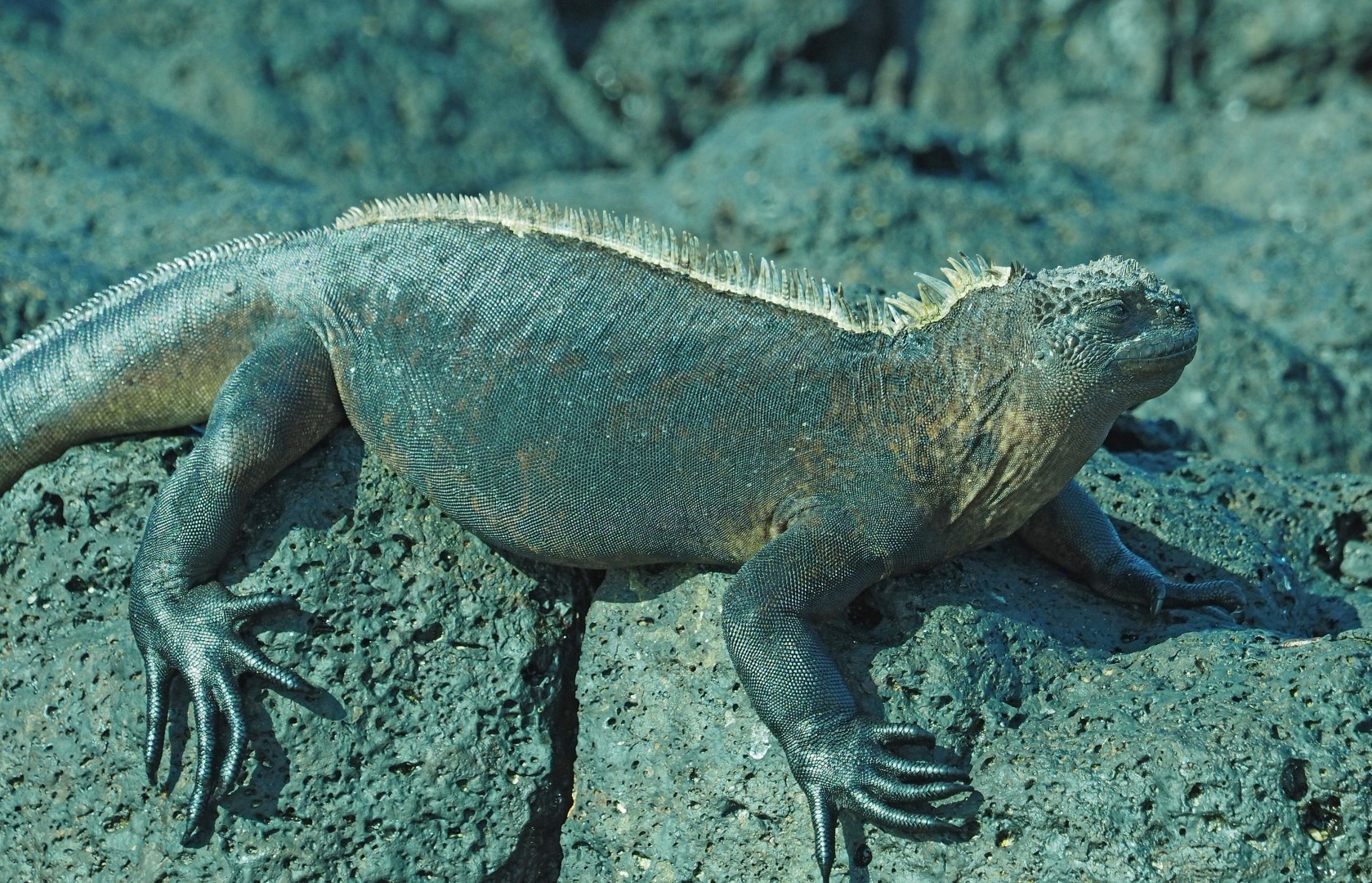
Santiago contains several notable visitor sites, including Sullivan Bay, where extensive lava fields formed by relatively recent volcanic flows stretch across the coastline. Espumilla Beach is known for its reddish sand and nesting sea turtles, while Puerto Egas features tide pools, volcanic rock formations, and colonies of Galápagos fur seals resting near the shore. Inland areas include dry forests with palo santo trees and cactus species adapted to the island’s arid climate. Wildlife commonly seen around Santiago includes marine iguanas, Sally Lightfoot crabs, hawks, pelicans, and Darwin’s finches, along with sea lions along coastal beaches.
Other Popular Destinations in Ecuador